
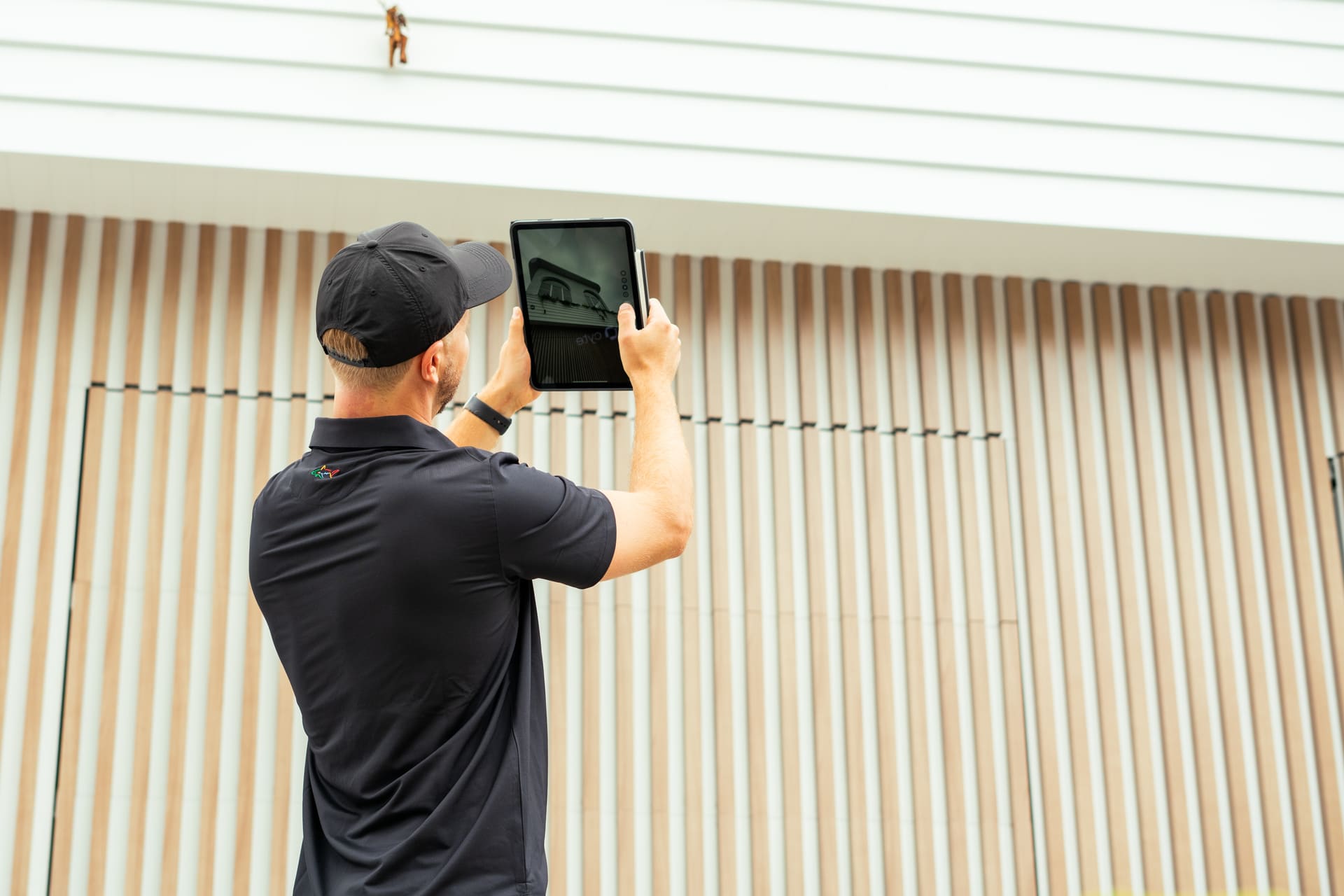
What Your Roof Inspection Really Covers

When you book a building inspection, the roof is one of the most critical areas we assess. On the Gold Coast, roofs take a beating from harsh sun, tropical storms, salt air, and the occasional hailstorm. Understanding what a qualified inspector looks for can help you appreciate why roof condition plays such a major role in your property's overall assessment.

What We Inspect Under AS 4349.1

All CYTE building inspections are carried out in accordance with Australian Standard AS 4349.1 — Inspection of Buildings: Pre-purchase Inspections — Residential Buildings. This standard sets out the scope and limitations of a visual building inspection, and the roof is a key component.

During a roof inspection, we assess the following areas where safely accessible:

Roof Exterior: We examine the roof covering — whether it is tiles, metal sheeting, or other materials — for cracked, broken, or displaced tiles, corroded or lifted metal sheets, deteriorated pointing and bedding on ridge caps, and any signs of previous repairs or patching. We also check flashings around penetrations such as vents, skylights, and chimneys, as failed flashings are one of the most common causes of water ingress.

Gutters and Downpipes: Blocked, rusted, or incorrectly graded gutters can lead to overflow, water pooling, and damage to fascia boards and eaves. We check for proper fall, secure fixings, and signs of corrosion or leakage at joints.

Roof Space (Interior): Where access is available via a manhole, we inspect the underside of the roof structure. This includes examining timber framing for signs of moisture damage, sagging, or inadequate bracing. We also look for evidence of roof leaks — water staining on timbers or sarking is a clear indicator that the roof covering may be compromised.

Common Roof Defects We Find on the Gold Coast

Across hundreds of inspections each year, certain roof defects appear regularly in Gold Coast properties:

Deteriorated ridge cap pointing: Cement mortar pointing on ridge caps breaks down over time, especially in exposed coastal areas. Once cracked or missing, water can penetrate directly into the roof space.

Corroded metal roofing and flashings: Salt-laden air accelerates corrosion, particularly on older Zincalume or galvanised steel roofs. Early signs include surface pitting and white rust.

Broken or displaced roof tiles: High winds and foot traffic from trades (antenna installers, solar panel technicians) can crack or shift tiles without the homeowner realising.

Insufficient or damaged sarking: Sarking (the membrane beneath roof tiles) acts as a secondary moisture barrier. In many older homes, sarking is either absent or deteriorated.

Inadequate ventilation: Poor roof space ventilation traps heat and moisture, which can accelerate timber decay and encourage mould growth — something we also assess under AS 4349.3 for timber pest risk.

Why It Matters for Buyers

Roof repairs can be among the most expensive items on a maintenance list. A full re-roof on a standard Gold Coast home can easily exceed $15,000 to $25,000. Identifying issues before settlement gives you the information to negotiate price adjustments, request repairs, or simply make an informed decision about the purchase.

Under AS 4349.1, inspectors classify defects as either minor or significant. A few cracked tiles might be a minor maintenance item, while widespread ridge cap failure with active water ingress would be classified as a significant defect requiring urgent attention.

Book Your Inspection Today

At CYTE Building Inspections, we provide thorough, same-day reports with clear photographs and plain-language explanations. Whether you are buying your first home or adding to your investment portfolio, understanding the true condition of the roof is essential.

Contact us today on 0431 114 815 or visit www.cyte.au to book your building and pest inspection on the Gold Coast, Brisbane, or Northern NSW.